
Working principle of the gas tension spring

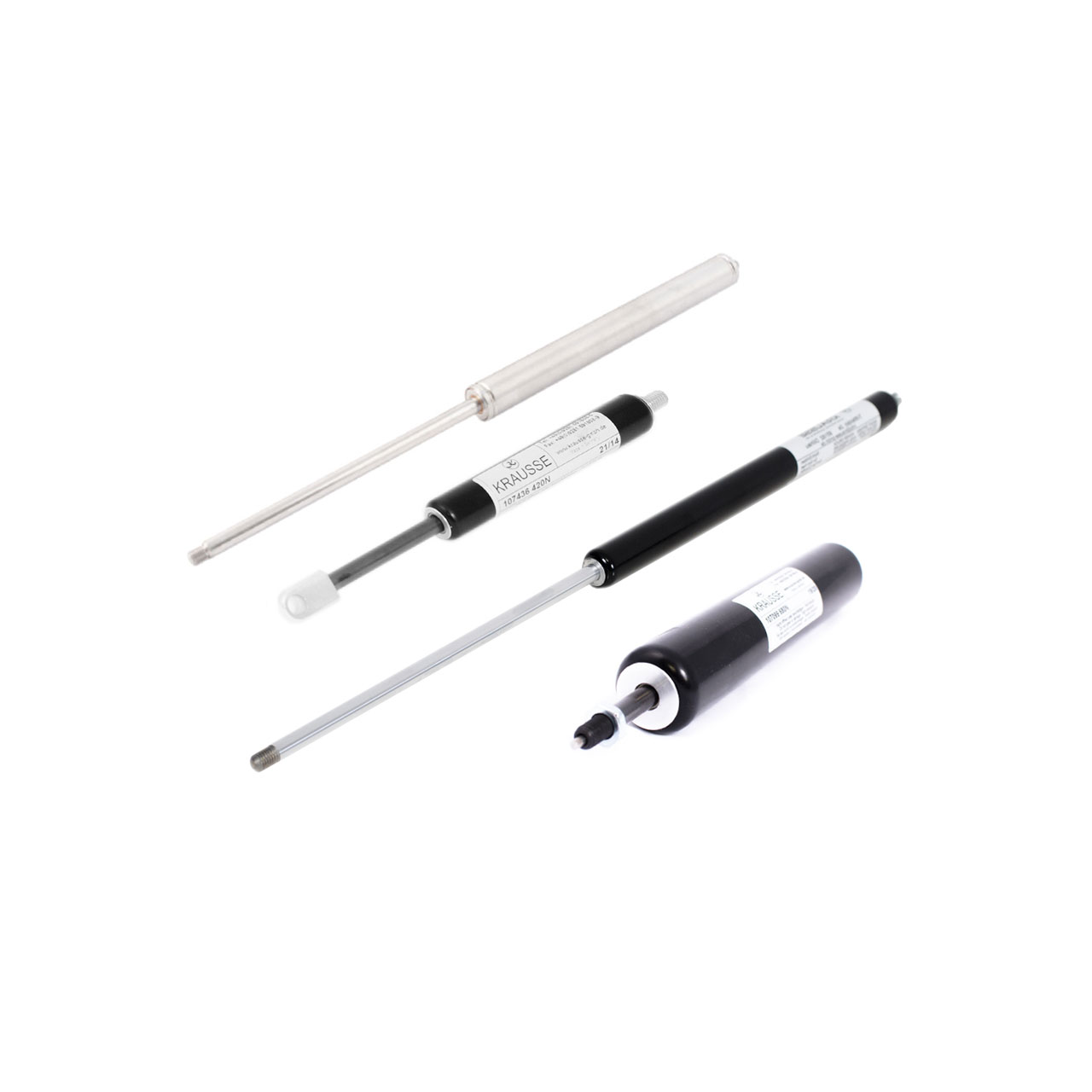
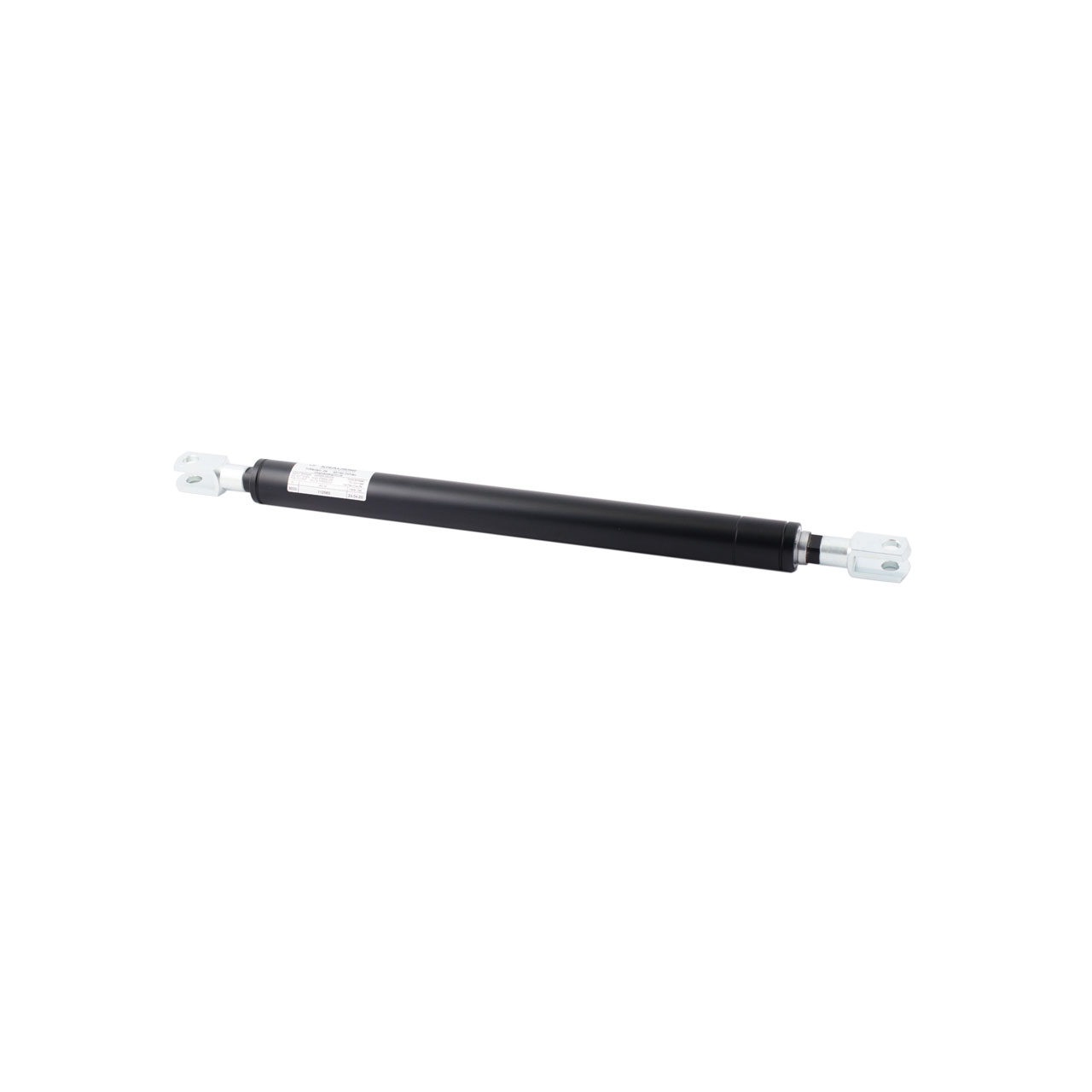
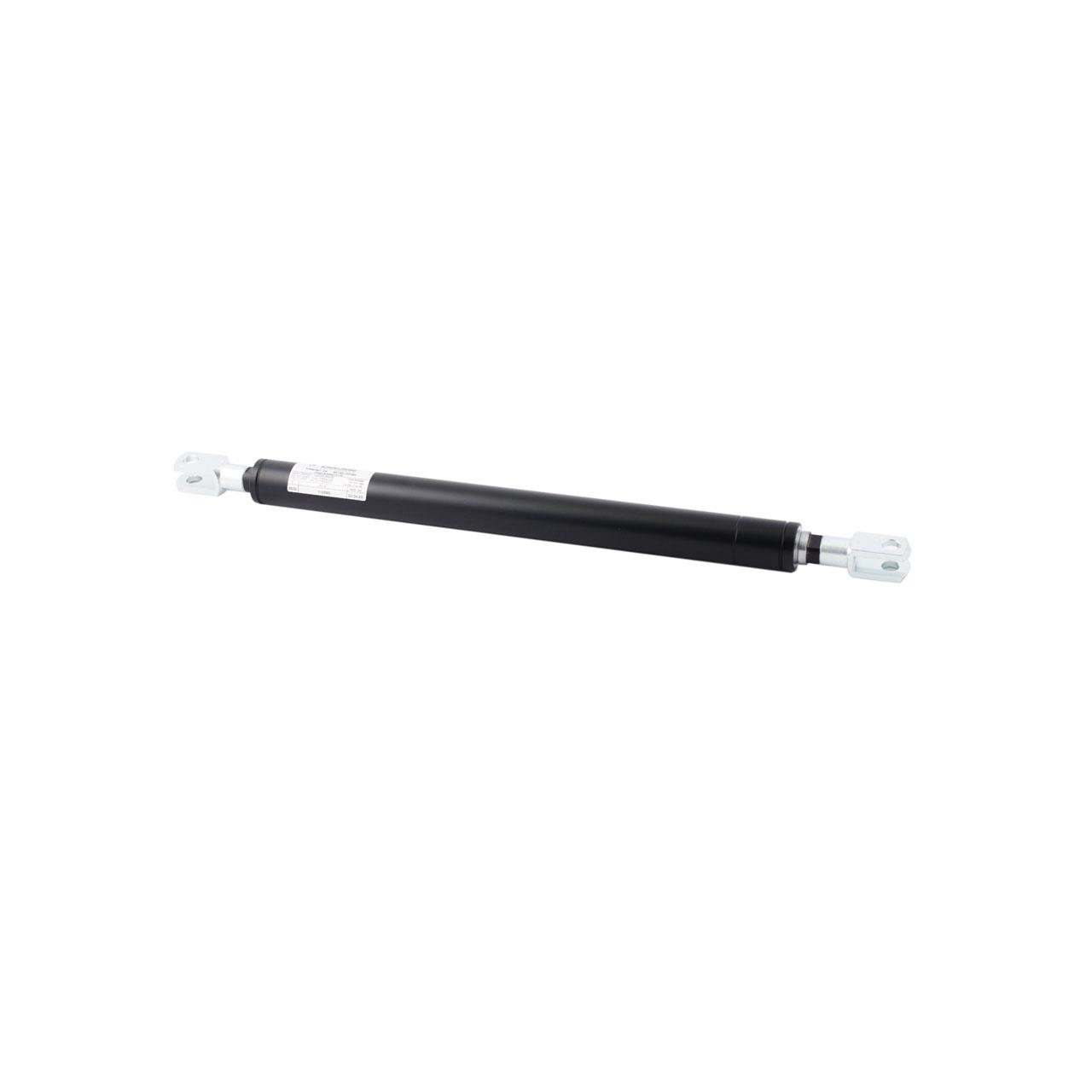
Gas tension springs create weight balance and thus counteract the weight of a lid. When opening a flap, the manual force is supported by the gas tension spring. The gas tension spring is a self-contained and maintenance-free element. It consists of a traction pipe and a piston rod with piston. 
There is also a seal on the guide of the piston rod to prevent possible gas loss. The gas tension spring is filled with gas - nitrogen - which is used to provide the traction force. It also contains a small amount of hydraulic oil. When unloaded, the piston rod is always compressed. 
By pulling the piston rod, the volume in the cylinder decreases and the gas is compressed. This results in an increase in force (progression) of the gas tension spring. This depends on the diameter of the piston rod and the volume of the cylinder. Gas tension springs serve as a lifting or tension element to support movements. Our standard series is characterized by very good performance data, a long service life and optimized corrosion protection.